So I work on both the strategy and the operator running it, as one system.
You have built something that works. Somewhere along the way it started to depend on you for everything, and the cost of that is showing up in your time, your health and the people at home.
A thirty-minute conversation. By the end you will know what is holding the next stage back and whether working together makes sense.

The workshops, the scan, the readings, the essays. Answers come only from what is written here, in Paraag's own words.
Revenue has flattened, or growth has slowed, and the moves that used to work no longer shift things the way they did. Every role in the company has been designed except yours. You scoped each hire and measured them, and made sure nobody's week was at the mercy of whatever happened to land. The one role nobody ever designed is your own.
So what is left over has quietly become the thing that runs you. The plan needs work and so does the way you are running it, and at this level those are not two separate problems. Most people carry the second one alone for a long time, because there is nowhere obvious to take it.
This is where that work begins.
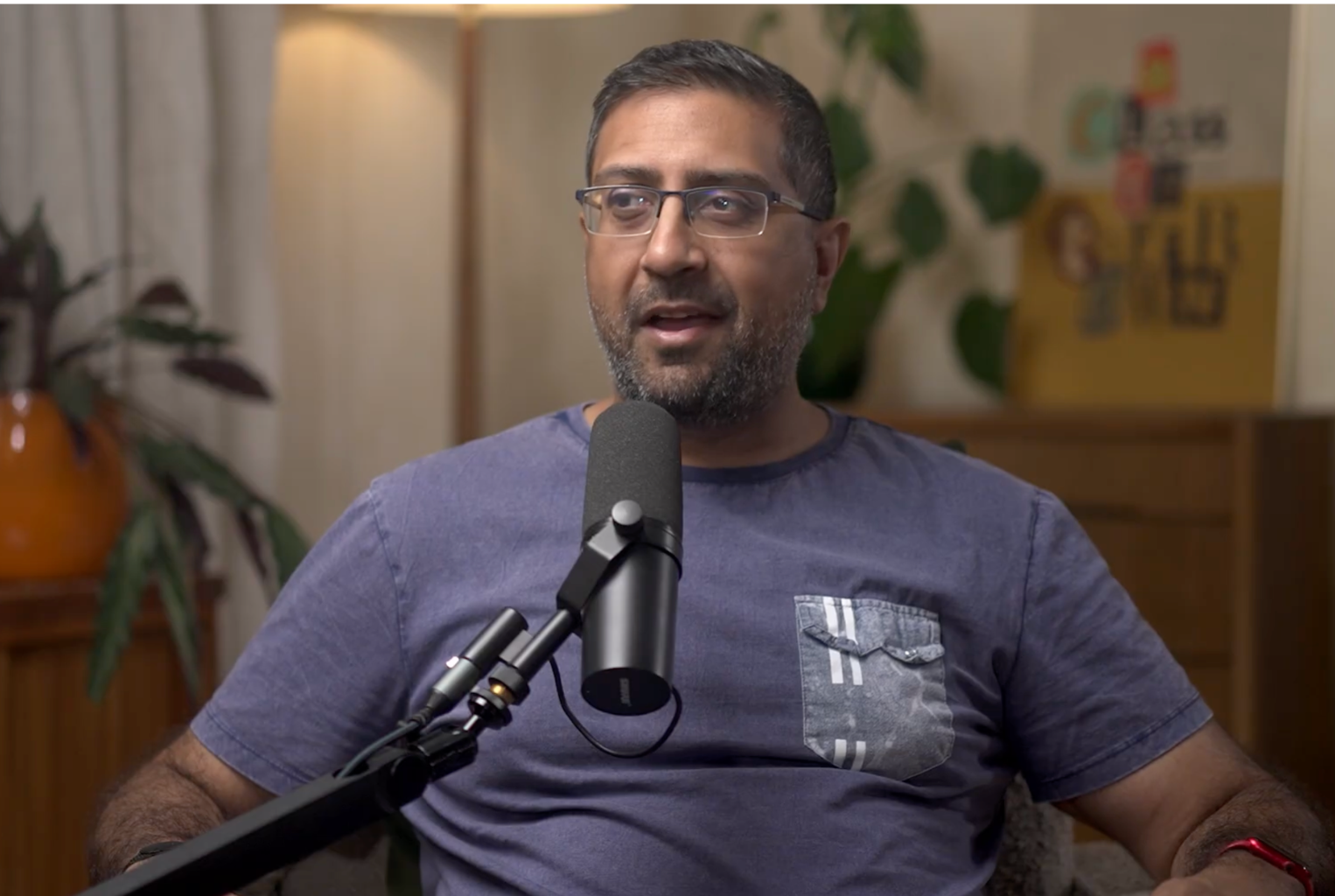
This is hands-on strategy, not notes from the sidelines.
First, we explore your dream outcome (for the business and your life). Next, we map the whole company and build the roadmap that runs it with the aim of getting to your dream outcome. And that's through exploring the customer; the marketing and sales funnels; the product; the pricing strategy; the operational and technology strategy, and the financial model that holds it all together.
Where the next move needs them, we build the sales, offer and pitch decks to go with it. You leave with a plan specific enough to act on in the morning, not a set of principles to work out for yourself.

A plan is only ever as good as the person carrying it, so we work on the operator alongside the business.
We get clear on what you actually want the next stage to be, take apart the assumptions and habits quietly shaping your decisions, and build the way you spend your energy and attention around what matters rather than what is loudest.
This is the deeper part of the work, and the instruments behind it come in once we are working together. They are why the changes hold rather than fade.
The outcome is living a life that fits your business and your gifts.

Paraag Amin spent three decades in public markets, the C-suite and the boardroom. A CFA charterholder, he has raised over a billion in equity, taken technology companies public, served as CFO of a listed plc, and turned a loss-making business profitable in three months. At forty, a type 2 diabetes diagnosis forced a question he had been professionally excellent at avoiding, and he came off all medication within three months. He has been in every chair you are sitting in, and he knows what each one costs the person sitting in it.
Read more about Paraag →What happens: We map how the business and the operator both work, and find the one thing most holding the next stage back. One reading, not two.
What you walk away with: A clear written read of what is holding the next stage back, in the business and in you, and the one place to start.
What happens: We restore the clarity and capacity to decide well, and clear out the structures and habits getting in the way, so your time and energy go where they matter most.
What you walk away with: Cleaner decisions, your time back, and the things that drain the business and you starting to come apart in a controlled way.
What happens: We redesign the strategy and the way it is run, so the business moves into its next stage and keeps growing without depending on you to hold every part of it together.
What you walk away with: A plan for the next stage the business can run on, one that keeps growing without depending on you for every decision.
The work meets you where you are, from the lightest entry point to the deepest commitment.
Long-term one to one mentoring, by application. The deepest level of the work, on the business and the person as one system.
Learn more →One or three days of strategic review, mapping the business and the operator, ending in a written report and a roadmap.
Learn more →Time-boxed work on one specific problem, the Sprint inside a week or the Time Gym over thirty days, for real movement before the longer engagement.
An ongoing room of high performers, monthly gatherings, written reflections between, the space to keep returning to.
Learn more →A short diagnostic to surface the limiting beliefs that underlie your performance. £33. Sent digitally.
Learn more →Working with Paraag created a real shift for me in just a couple of sessions. He asks questions in a way that makes you stop and actually look at things differently. I found myself reflecting in a deeper, more honest way. I also appreciated the blend of tools he brought into the sessions, along with his background, which really resonated with me. It added a level of depth and real world perspective that made the experience feel both practical and meaningful. I am really grateful for the space he created for deeper self reflection.
If what you have read here matches where you and the business actually are, that is exactly where this conversation begins.
The first conversation is a thirty-minute private call. By the end you will know what is holding the next stage back and what working together would look like.